Medical & Healthcare Conference Transportation in Washington DC
Washington DC's convention calendar carries a heavy rotation of medical, pharmaceutical, and healthcare-association conferences every year, drawn by the city's concentration of federal health agencies, medical societies, and a convention center built to handle exhibit halls at real scale. These events carry their own specific transportation wrinkles beyond a standard association conference — exhibit load-in logistics, physician schedules built around clinical practice back home, and a layer of confidentiality around unreleased research and pharmaceutical data that most conventions never have to think about.
Exhibit Hall Load-In and Vendor Logistics
Medical and pharmaceutical conferences typically carry a far larger exhibitor footprint than a standard trade association meeting, with pharmaceutical companies, device manufacturers and diagnostic firms staffing elaborate booths that need equipment and staff moved in over a compressed load-in window before the exhibit hall opens. Transportation for exhibitor staff during this window looks different from attendee logistics — earlier start times, more frequent trips between a hotel and the convention center, and vehicles that can accommodate staff traveling with product samples or display materials rather than just a laptop bag.
This load-in period is also when a large share of a conference's actual transportation demand concentrates, often well before the general attendee shuttle schedule even begins. Planning a dedicated early-morning vehicle rotation for exhibitor staff during this window, separate from the standard attendee shuttle loop, keeps booth setup on schedule without competing for the same vehicles general attendees are using later in the day.
Tear-down at the end of the conference carries its own version of the same challenge, often compressed into an even tighter window than load-in since exhibitors are typically racing to catch return flights the same evening the exhibit hall closes. Planning a coordinated departure shuttle rotation for this specific window, timed against the exhibit hall’s actual closing rather than the conference’s official end time, keeps exhibitor staff from missing flights they assumed they had ample time to catch.
Booth staff frequently work in rotating shifts throughout a multi-day conference, which means transportation needs shift meaningfully depending on the day — heavier during the initial load-in and the final tear-down, lighter but still steady during the conference’s main days as staff simply commute between hotel and convention center on a more predictable schedule.
Larger exhibitors sometimes bring in specialized equipment requiring more than a standard SUV can accommodate, and flagging this at the time of booking — rather than discovering the mismatch on load-in morning — lets a transportation provider assign the right vehicle class from the start.
Coordinating a single vendor contact for all exhibitor transportation, rather than each exhibiting company arranging its own separately, also simplifies communication considerably when load-in timing shifts on short notice.
Physician and Clinician Scheduling Constraints
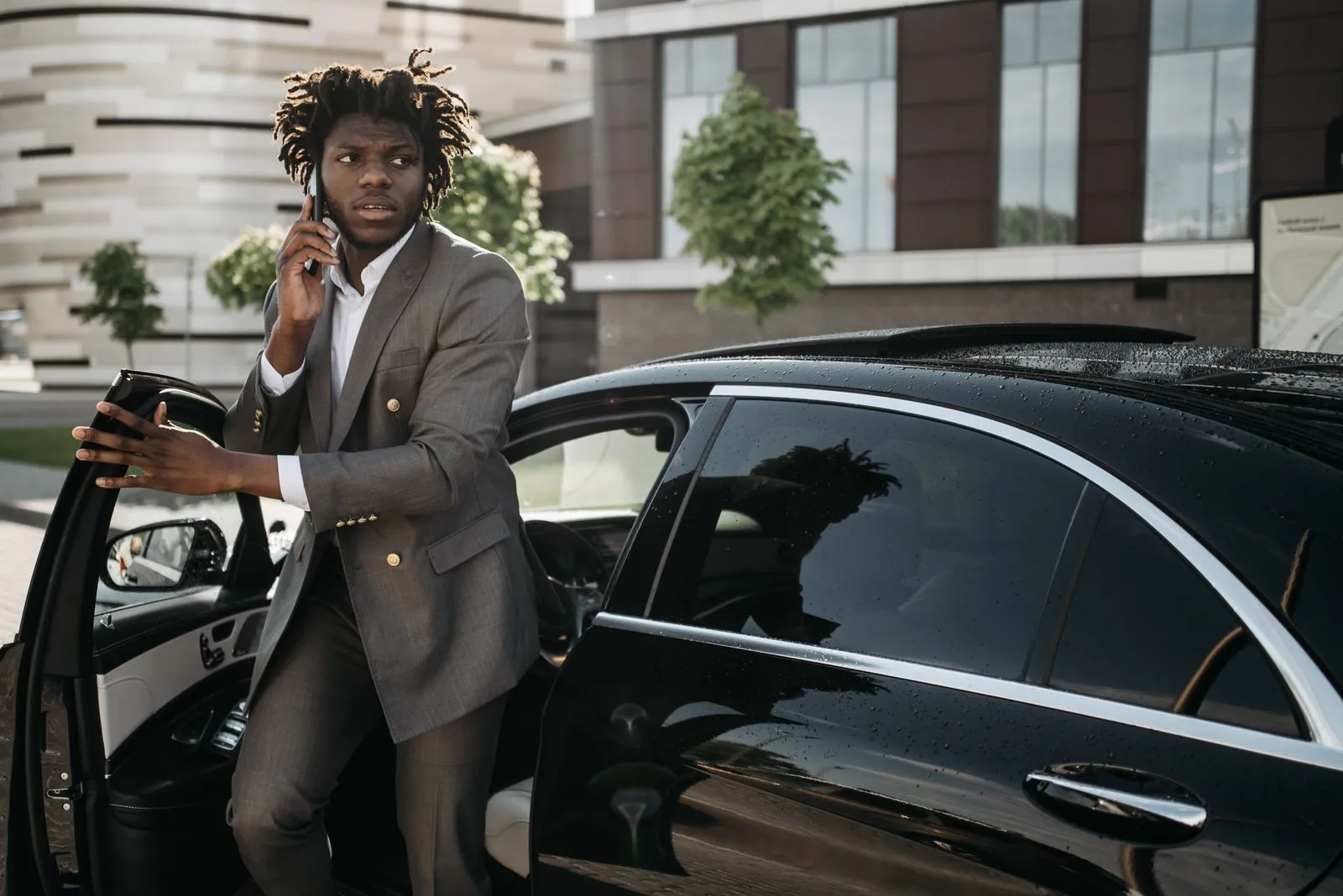
Physicians and other clinicians attending a medical conference are frequently squeezing the trip around an active clinical practice back home — flying in for a single day of CME sessions, presenting research during a tight window, or attending only the specific track relevant to their specialty before flying back to see patients the next morning. That compressed, high-value schedule leaves essentially no margin for an unreliable ride to or from the airport, which is exactly the scenario a flight-tracked, reserved chauffeur is built to remove risk from.
A physician flying in for a single day is a genuinely common pattern at major DC medical conventions, and it changes the transportation calculus meaningfully — a delayed pickup does not just cost that traveler time at the conference, it can cost them the entire trip's purpose if it means missing the one session or presentation they flew in for.
This pattern is especially common among physicians in smaller or solo practices, who often cannot be away from patients for more than a day or two without real disruption to their practice back home, in contrast to academic or hospital-employed physicians who may have more institutional support for longer conference travel. A transportation plan that treats every attendee as though they have flexible time to spare misses this meaningful portion of the audience entirely.
Residents and fellows attending on a limited institutional travel budget represent another distinct segment of this audience, often sharing transportation costs across a small group from the same training program rather than traveling individually, which makes a shared SUV or van booking a genuinely practical option worth planning for specifically rather than assuming every attendee is traveling and being reimbursed independently.
Some medical societies now offer a hybrid attendance option, and physicians choosing to attend only a single in-person day around an otherwise virtual conference represent a growing and distinct travel pattern worth planning for specifically, since their entire trip may be built around one tightly scheduled day rather than a multi-day stay.
Building a short buffer around a physician’s single-day itinerary, rather than scheduling back-to-back with no margin, accounts for the reality that sessions themselves sometimes run past their printed end time.
Confidentiality Around Unreleased Data and VIP Speakers
Pharmaceutical executives, clinical researchers, and biotech leadership often travel to these conferences carrying information that is genuinely market-sensitive — unreleased trial results, FDA submission timing, or licensing negotiations that have not been made public. A car service handling this kind of client should apply the same discretion standard used for corporate and diplomatic accounts: no casual conversation about a passenger's itinerary or destination, and trip details treated as confidential by default rather than something to ask about.
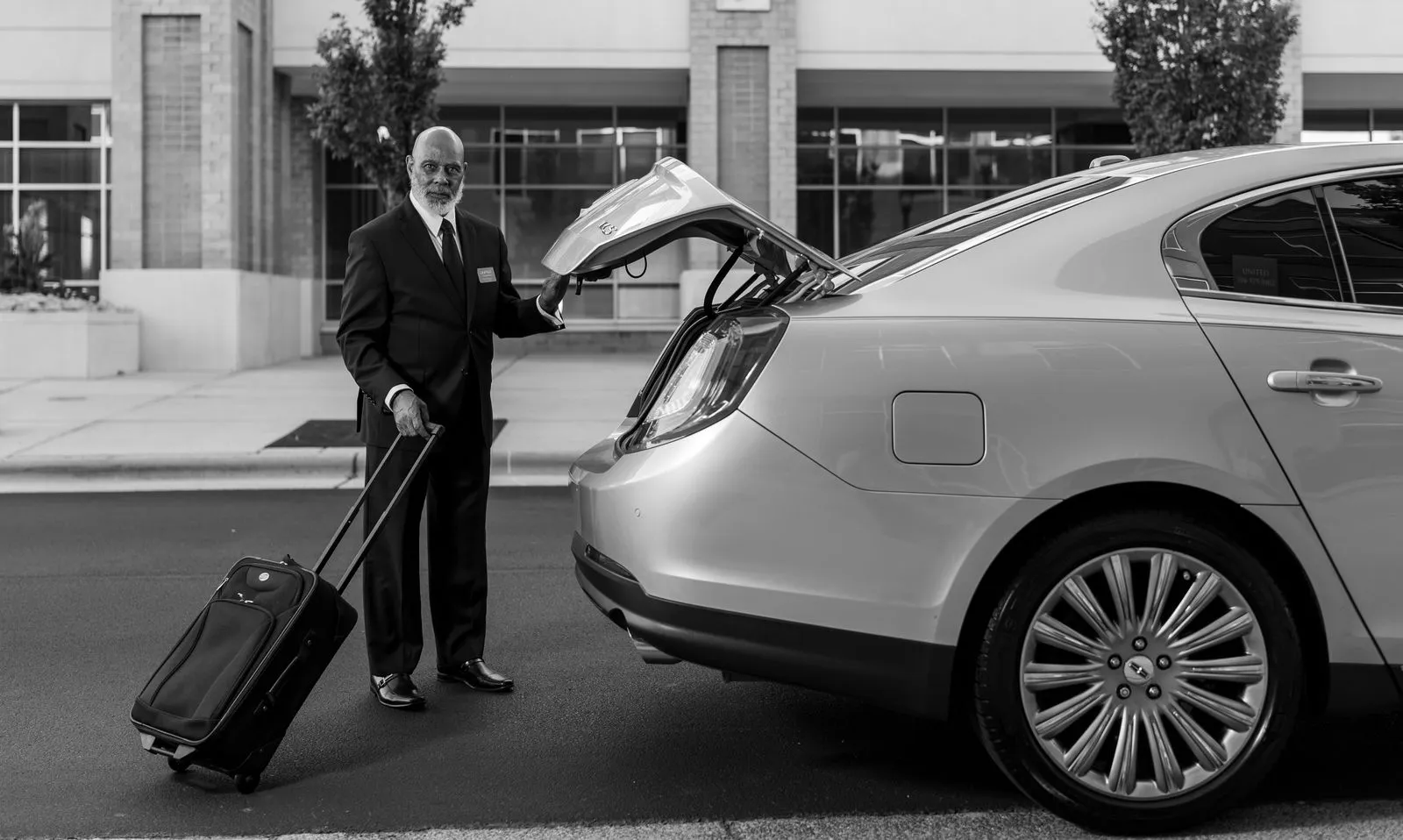
A medical conference's keynote speakers and honored researchers — often flying in from academic medical centers or international institutions — typically warrant individual, flight-tracked chauffeur service rather than a shared attendee shuttle, both because their schedules tend to be the tightest on the program and because a smooth arrival experience reflects on the conference organizers hosting them. This mirrors the VIP-handling pattern covered in our broader conference and association meeting transportation guide, though medical conferences add the extra layer of confidentiality described above around what a speaker may be discussing before it is public.
This is also where corporate accounts for pharmaceutical and biotech companies benefit from the same matter-level discretion described for law firm clients — a consistent chauffeur pool that a company can rely on across multiple conferences throughout the year, rather than a different unfamiliar driver each time, builds a level of trust that matters when the passengers in the car are frequently discussing information well ahead of its public release.
Media and press attending a medical conference to cover major research announcements add one more layer of complexity around discretion, since a chauffeur may at times be transporting both a researcher and, separately, journalists seeking comment from that same researcher — treating each passenger’s trip with equal discretion, regardless of their role at the conference, is the standard that keeps this kind of overlap from becoming a problem.
International researchers presenting at a DC medical conference sometimes combine the trip with meetings at federal health agencies headquartered nearby, and coordinating both legs of that visit under one transportation plan, rather than treating the conference and the agency meeting as unrelated bookings, simplifies what is often an already packed multi-day itinerary.
This same discretion extends to how a chauffeur handles any documents or materials left in the vehicle briefly, treating them with the same care as the conversation itself.
Coordinating Around the Convention Center
Most of DC's largest medical conventions run through the Walter E. Washington Convention Center, where a compressed arrival window before morning sessions and a similarly compressed departure rush after the exhibit hall closes both create predictable congestion. See Washington Convention Center transportation for how shuttle sizing and staging typically work at this specific venue, and hourly chauffeur service for multi-day bookings that need to flex around a shifting conference schedule.
Hotels immediately surrounding the convention center also see their own version of the same congestion each morning and evening during a large medical conference, as attendees staying nearby choose to walk when the weather allows but still generate significant curb traffic at check-in and check-out times. Coordinating hotel pickups slightly staggered from the main shuttle loop’s peak times can meaningfully reduce wait times for attendees who would otherwise be competing for the same curb space as the general shuttle rotation.
Multi-day conferences occasionally include an off-site evening event — an awards dinner, a donor reception — held away from the convention center itself, which adds a distinct evening transportation need on top of the standard daytime shuttle rotation and is worth planning for as its own piece of the overall event logistics rather than an afterthought.
Nearby hotels sometimes run their own shuttle service to the convention center during a large conference, and it is worth clarifying with attendees whether they should rely on that shuttle or a dedicated reserved vehicle, since mixing the two without a clear plan can leave some attendees uncertain which option to use on a given morning.
Confirming the specific convention center entrance closest to a given session hall, rather than a generic main entrance, can save real walking time across what is often a genuinely large facility.
The Bottom Line
Medical and healthcare conference transportation carries the same logistics challenge as any large convention, plus a specific layer of confidentiality and physician-schedule precision most events never encounter. Request a conference transportation quote here or call (877) 609-1919 to discuss exhibitor, physician or VIP logistics ahead of your event.
About Sarah Williams
Executive travel consultant specializing in ground transportation for corporate and government clients across the DMV.
Frequently Asked Questions
How is medical conference transportation different from a standard association conference?
It typically involves a larger exhibitor footprint with equipment-heavy load-in logistics, physicians squeezing the trip around active clinical schedules, and a confidentiality standard around unreleased research or pharmaceutical data that most conventions do not need to consider.
Can transportation handle exhibitor staff with display materials?
Yes. Vehicles can be sized and scheduled around an exhibit hall load-in window, accommodating staff traveling with product samples or display equipment rather than standard attendee luggage.
Do physicians attending for a single day need special scheduling consideration?
Often, yes. Many attend around an active clinical practice, flying in and out within a tight window, which makes flight-tracked, reserved transportation especially valuable given how little margin these trips leave for a missed connection.
Is confidentiality handled differently for pharmaceutical and biotech clients?
Yes. Trip details and any overheard conversation are treated as confidential by default, matching the standard used for corporate and diplomatic accounts, given how often this audience is discussing genuinely market-sensitive information.
Should keynote speakers use individual chauffeur service instead of a shared shuttle?
Generally yes — individual, flight-tracked service suits keynote speakers and honored researchers better than a shared attendee shuttle, both for scheduling precision and for the confidentiality some speakers require.
Recommended DCA Routes
Book Your DCA Airport Transfer
Flat-rate luxury chauffeur service with flight tracking and a guaranteed pickup. Reserve online or call us 24/7.