Seeing the Monuments with Limited Mobility: A Practical National Mall Plan
On a map, the National Mall looks like a tidy rectangle you could stroll in an afternoon. In person, it is roughly two miles from the Capitol to the Lincoln Memorial, with the Tidal Basin memorials farther south, long stretches without shade, and paths that are not always smooth. For travelers who use a wheelchair, walk with a cane, tire easily or are visiting with older relatives, a little planning turns an exhausting day into a good one. This guide covers distances, accessibility features, where vehicles can and cannot stop, and how to break the Mall into manageable pieces.
The Distances Are Longer Than They Look
The Mall's scale is part of its grandeur and its challenge. A few reference points:
- From the Capitol to the Washington Monument is well over a mile, past the Smithsonian museums.
- From the Washington Monument to the Lincoln Memorial is roughly another mile, passing the World War II Memorial and the Reflecting Pool.
- The Jefferson Memorial, the Franklin Delano Roosevelt Memorial and the Martin Luther King Jr. Memorial sit around the Tidal Basin, south of the main Mall, and a full loop of the basin is a long walk on its own.
Many visitors underestimate these distances because the monuments look close against the open sky. Budget energy and time accordingly, and plan to see one cluster at a time rather than walking the whole length.
Surfaces, Shade and Seating
Much of the Mall's central walkway is crushed gravel rather than pavement. It is firm enough for most wheelchairs but harder work than a sidewalk, and it can be dusty in summer and soft after rain. Paved sidewalks run along the edges, near Constitution and Independence Avenues and Madison and Jefferson Drives, and often make a smoother route.
Shade is limited, especially near the Washington Monument and along the Reflecting Pool, where tree cover is sparse in places. DC summers are hot and humid, and the open Mall offers little relief. Benches exist, but they are spaced out and are not always where you need them. Carrying water and planning rests are essential.
What Is Accessible at the Major Memorials
The National Park Service states that all of the major monuments and memorials on the Mall are wheelchair accessible. Some specifics that help with planning:
- Lincoln Memorial: an elevator provides access to the chamber level, avoiding the famous steps.
- Jefferson Memorial: an elevator also serves the memorial chamber.
- Washington Monument: the visit to the top is by elevator. Tickets are timed; check the National Park Service and its reservation site for current availability.
- World War II Memorial: ramps lead down into the plaza.
- Vietnam Veterans Memorial: the path along the wall slopes gently and is paved.
- Franklin Delano Roosevelt Memorial: laid out as a series of outdoor rooms along a level path, and designed with accessibility in mind.
Elevators occasionally go out of service, so check the NPS site or ask a ranger on the day. The Park Service does not lend wheelchairs, so bring your own or arrange a rental from a local vendor in advance. NPS also offers services such as braille brochures and, with advance notice, American Sign Language interpretation; see its accessibility page for details.
Where Vehicles Can (and Cannot) Stop
Private vehicles cannot drive onto the Mall itself, and stopping is prohibited along much of the surrounding roadways. Parking near the memorials is scarce, and the spaces that exist fill early. The NPS maintains a limited number of accessible parking spaces at locations around the memorials; its accessibility contacts can tell you where.
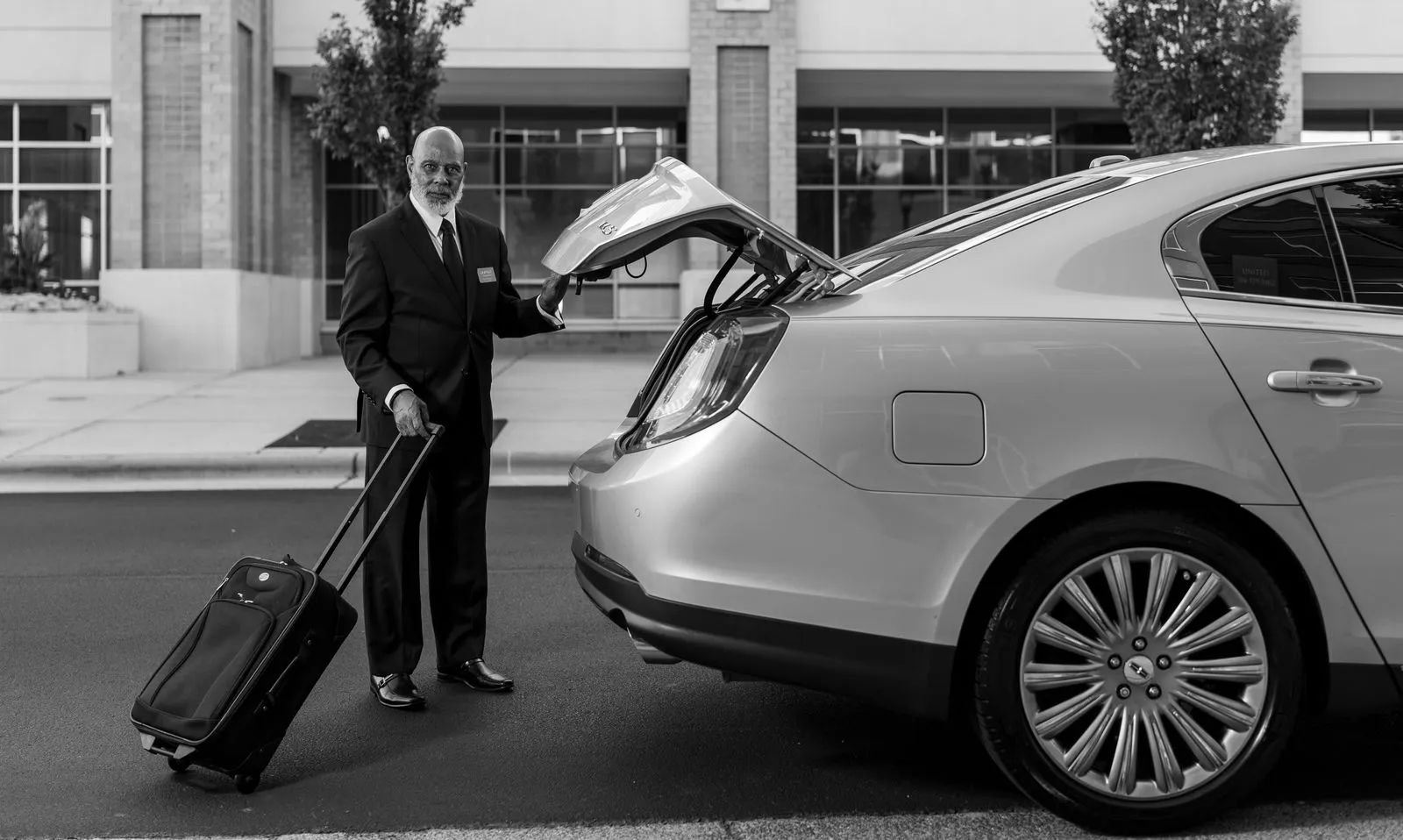
A chauffeur solves the hardest part of the day: the distance between clusters. Rather than walking from the Lincoln Memorial to the Jefferson Memorial, your driver meets you at a legal curb near one and drops you near the next. Experienced drivers know the roads around the Lincoln Memorial and the Tidal Basin, including Ohio Drive SW and the drives around the basin, where stopping is possible at certain points and times, and they plan the handoffs so you never face a long walk back to the car.
A Practical Plan: One Cluster at a Time
Treat the Mall as three or four separate visits, connected by short rides:
- West end: the Lincoln Memorial, then the Korean War Veterans Memorial and the Vietnam Veterans Memorial, all within a short distance of each other.
- Center: the World War II Memorial and the Washington Monument grounds.
- Tidal Basin: the Martin Luther King Jr. Memorial, the FDR Memorial and the Jefferson Memorial. A drop-off near one and pickup near another covers the basin without the full loop.
- East end: the Smithsonian museums and the Capitol, best done as their own half day.
With an hourly chauffeur booking, the vehicle stays close throughout. You walk only the most rewarding parts of each cluster, and rest in an air-conditioned car between them.
Rest Stops, Restrooms and Cooling Off
Plan your rest stops as carefully as your sights. Restrooms on the Mall are concentrated at particular memorials and visitor facilities rather than spread evenly, and the NPS website lists their locations. The Smithsonian museums along the Mall make excellent cooling-off points, with seating, restrooms, cafes and air conditioning, and they are free to enter, though most have a bag check at the door. On hot days, alternating an outdoor memorial with an indoor museum keeps energy up. A vehicle waiting nearby adds one more option: a quiet, air-conditioned seat between stops.
Timing Your Visit
- Morning or evening in summer. Avoid midday heat. The memorials are open around the clock, and many people find them most beautiful lit at night.
- Avoid the peak crowds. Cherry blossom season, July 4 and major events bring dense crowds and road closures that make everything harder.
- Check the weather. Thunderstorms roll in quickly on summer afternoons, and there is little shelter on the open Mall.
The Right Vehicle
Tell us about mobility needs when you book: a cane, a walker, a folding manual wheelchair or a power chair. Higher-clearance SUVs can make transfers easier for some passengers, and chauffeurs can fold and stow a manual wheelchair or walker. For travelers who need a wheelchair-accessible vehicle, we coordinate through our network with advance notice. Our wheelchair accessible car service page explains the options, and our guide to senior medical appointment transportation covers how we approach rides for older passengers more generally.
Booking a Monuments Day
Share who is traveling, what mobility support they need and which memorials matter most, and we will plan the order and the handoffs. Call (877) 609-1919 or book online.
About Sarah Williams
DC-area travel writer covering airports, ground transportation, and business travel for over a decade.
Related Pages
Frequently Asked Questions
Are the National Mall monuments wheelchair accessible?
The National Park Service says all of the major monuments and memorials are wheelchair accessible. The Lincoln and Jefferson Memorials have elevators to the chamber level, and the World War II Memorial has ramps. Check NPS for any elevator outages.
How far is it from the Lincoln Memorial to the Capitol?
Roughly two miles along the length of the Mall. The Tidal Basin memorials sit farther south, so walking the whole area in one go is a lot for most visitors with limited mobility.
Does the National Park Service lend wheelchairs on the Mall?
No. NPS does not provide wheelchairs, so bring your own or arrange a rental from a local vendor in advance.
Can a car drop us off at the Lincoln Memorial?
Vehicles cannot drive onto the Mall and stopping is restricted on many surrounding roads, but chauffeurs can use legal curbs near the memorial at certain points and times, then meet you near the next stop.
When is the best time to visit the monuments with limited mobility?
Mornings or evenings, especially in summer, to avoid midday heat. The memorials are open around the clock and are lit at night. Avoid peak events like cherry blossom season if crowds are a concern.
Recommended DCA Routes
Book Your DCA Airport Transfer
Flat-rate luxury chauffeur service with flight tracking and a guaranteed pickup. Reserve online or call us 24/7.