How Long Does Security Really Take at DCA? An Honest Look at TSA PreCheck
Search for how long DCA security takes and you'll find confident-sounding numbers that contradict each other — because there isn't one true answer. Wait time at any airport checkpoint depends on when you arrive, which checkpoint you're in line for, and how many other flights are boarding around the same time as yours. What's actually useful is understanding the factors that move that number, not a single figure that was true for one traveler on one day.
What a Checkpoint Actually Does Minute by Minute
A security checkpoint's throughput depends on how many lanes are staffed, how many of the people in line have prepared correctly (shoes already loose, laptops already out), and simple randomness in who happens to need extra screening that hour. None of those variables are visible to a traveler standing in line, which is part of why guessing at a wait time from the outside is so unreliable even for people who fly the same route often.
Why there's no single "real" wait time
A security line is a snapshot of however many people happen to be funneling through at that exact hour, on that exact day, through that exact checkpoint. The same airport can run a five-minute line at 10 a.m. on a Tuesday and a genuinely long one during a Monday-morning or Thursday-evening business-travel peak, or during a holiday week when leisure and business travelers overlap. Any number quoted without that context is really just one person's experience on one day.
The patterns that are actually reliable
What is reliable is the shape of the pattern, even without a fixed number attached to it: early morning and early evening commuter-flight waves tend to run busier than the middle of the day, Monday mornings and Thursday or Friday evenings carry heavier business travel, and the weeks around major holidays stack both business and leisure travelers into the same lines. None of that tells you an exact minute count for your specific flight, but it does tell you which travel windows are more likely to run long.
What TSA PreCheck actually changes
TSA PreCheck doesn't promise a specific time savings — what it reliably does is move you into a separate, generally shorter-queued lane, and remove the need to take off shoes, remove a laptop from its bag, or take liquids out separately. On a day when the standard line is short, that difference barely matters. On a day when it's long, having a dedicated lane with fewer people and less to unpack at the belt is worth more than any specific number can capture.
Why DCA's Compact Layout Changes the Calculation
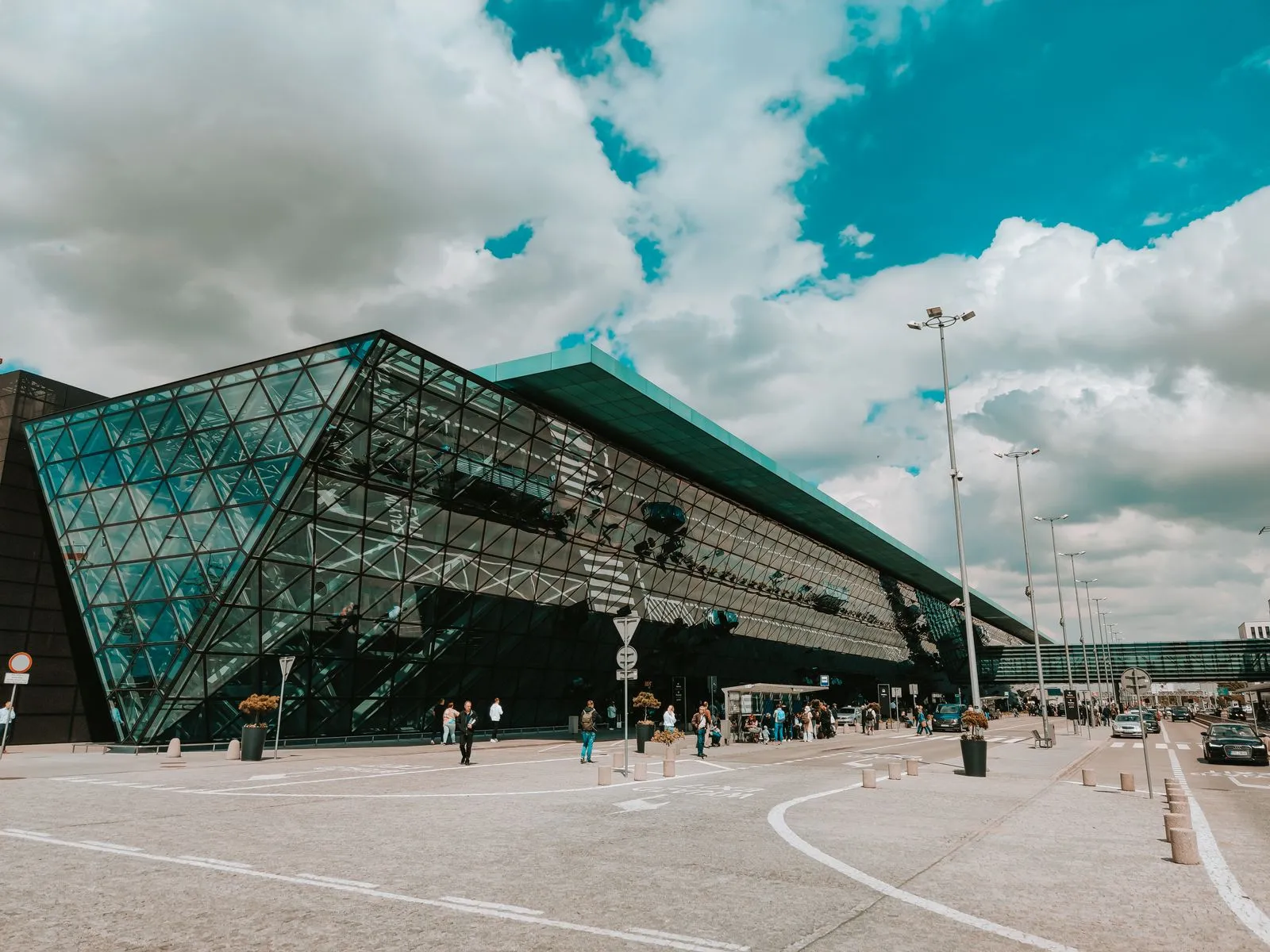
DCA's checkpoints and terminals are smaller and more compressed than a sprawling hub airport's, which cuts both ways. On a quiet midday hour, that compactness means a genuinely short walk from checkpoint to gate — less margin needed than at a bigger airport. On a busy morning, the same compact footprint means there's less physical space to absorb a crowd, so a line that would spread out and feel manageable at a larger airport can feel more bottlenecked at DCA simply because there's less room for it to stretch into.
Terminal and Checkpoint Differences
Not every checkpoint at DCA sees the same traffic at the same time — which airlines and gates a given checkpoint primarily serves affects how busy it runs during that terminal's own peak departure bank. If you've flown from DCA before and remember a specific checkpoint being quick or slow, that's a reasonable data point for your airline and terminal specifically, but it doesn't necessarily transfer to a different terminal or a different time of day.
Building a Departure Time Around Uncertainty, Not a Guess
Since there's no fixed number to plan around, the more useful approach is building in a buffer sized to the kind of trip you're taking: more cushion on a Monday morning, around a holiday, or on a day with a connecting itinerary downstream, and less on an off-peak midday flight with nothing time-sensitive waiting on the other end. That's a more honest way to plan than anchoring to a specific minute count that may not hold up on your actual travel day.
The same logic applies on the arrival side, even though there's no security line to clear: a flight landing during a bank of other arrivals means a busier baggage claim and curbside, not because anything went wrong, but because DCA's compact footprint means several planeloads of passengers can end up converging on the same relatively small arrivals area within a few minutes of each other.
What to Do If the Line Really Is Running Long
If you're already in a slow-moving line and getting close to boarding time, the most useful move is telling a TSA agent or airline staff member at the checkpoint — airports and airlines do have processes for flagging a passenger who's at risk of missing a flight because of security, and standing quietly worrying rarely helps as much as saying something early. That's a better use of the time than trying to estimate whether you'll make it based on how fast the line seems to be moving.
International Departures Add Another Layer
DCA's international departures are a smaller share of its traffic than Dulles's, and the screening and documentation checks for an international itinerary can take longer than a purely domestic one, particularly if your trip involves any connecting documentation. Building extra time in for an international-bound domestic leg out of DCA is worth doing regardless of what the security line itself looks like that day.
Where ground transportation timing fits in
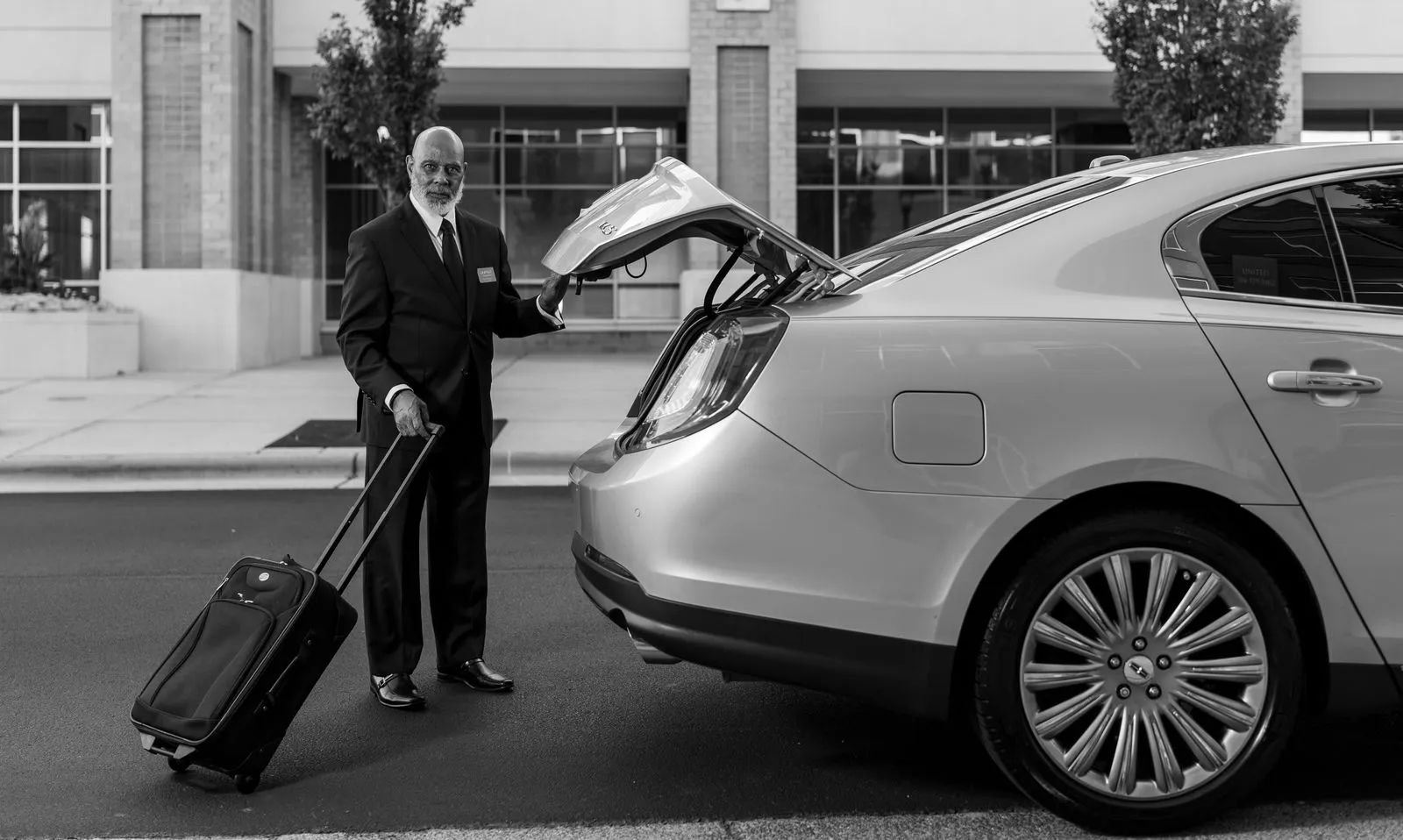
None of this is within your control once you're in the terminal, but the drive to the airport is. A pickup timed with real buffer for DCA's close-in, often congested approach roads — rather than a bare-minimum drive estimate — means the one variable you actually can manage isn't the thing that costs you the flight.
What Enrolling in TSA PreCheck Actually Involves
TSA PreCheck requires an in-person appointment to apply, a background check, and a membership that lasts several years before renewal — it's not something you can sign up for the night before a trip. For a traveler who flies DCA regularly enough to feel the line's unpredictability more than once or twice a year, that one-time setup tends to pay for itself in reduced stress alone, independent of any specific time saved on any given day.
Families and Groups Face a Different Calculation
A family or group traveling together moves through any security line more slowly than a single traveler, simply because there are more bags, more shoes, and more coordination involved at the belt. If only some members of a traveling group have PreCheck, it's worth deciding in advance whether to split up and go through separate lanes or stay together in the standard line — splitting up is usually faster overall, even though it means arriving at the gate in two separate groups rather than one.
Booking Your Ride
Call (877) 609-1919 or book online and tell us your flight time — we'll help you plan a departure window that accounts for the drive and a reasonable buffer, not just the trip itself.
About Michael Chen
Michael covers airport logistics and ground transportation for travelers across the DC metro area.
Frequently Asked Questions
How long does security really take at DCA?
There's no single true answer — it depends on the time of day, day of week, and which checkpoint you use. Early morning and evening commuter peaks, Monday mornings, and holiday weeks tend to run longer than off-peak midday hours.
Is TSA PreCheck worth it for DCA specifically?
PreCheck moves you into a separate, generally shorter lane and removes the need to unpack shoes, laptops, and liquids. It matters most on the days the standard line is already running long.
What are the busiest times to go through DCA security?
Early morning and early evening commuter-flight waves, Monday mornings, Thursday and Friday evenings, and the weeks around major holidays tend to be the busiest.
How early should I arrive for a domestic flight from DCA?
Build in extra buffer beyond the bare-minimum drive and checkpoint estimate, especially during known peak windows — there's no universal number that covers every day equally.
Can a chauffeur help me time my arrival better?
Yes — we plan pickups around DCA's congested approach roads and your specific flight time, so the drive itself doesn't eat into whatever buffer you've built in for the terminal.
Recommended DCA Routes
Book Your DCA Airport Transfer
Flat-rate luxury chauffeur service with flight tracking and a guaranteed pickup. Reserve online or call us 24/7.