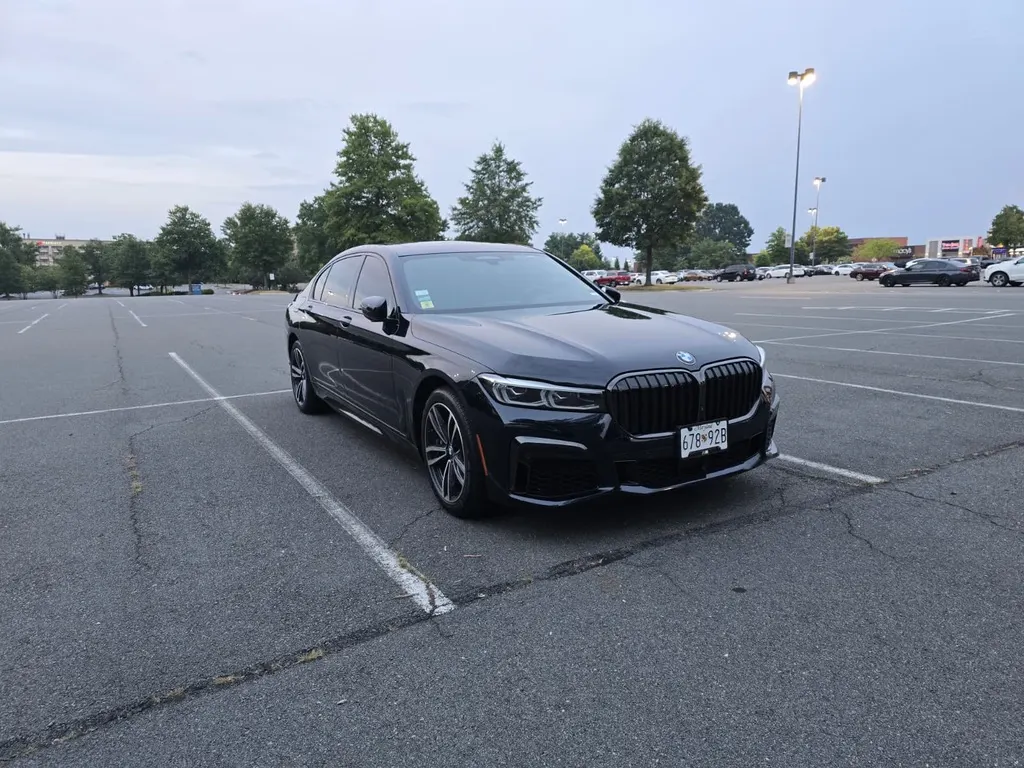
Corporate Car Service in Washington DC: What to Expect
Washington runs on meetings, and the meetings run on ground transportation nobody is supposed to notice. If your company is weighing a corporate car service — moving off rideshare reimbursements, or replacing a vendor that got sloppy — this is the plain-English walkthrough of what the service actually looks like from the inside: the account, the trips, the people, and the invoice. Consider it the expectations checklist to hold any provider against, ours included.
What a corporate account actually is
A corporate account converts transportation from a series of one-off purchases into standing infrastructure. Concretely, that means negotiated flat rates on your recurring routes, priority dispatch during the weeks everyone travels, booking authority for assistants and travel coordinators with confirmations to traveler and booker alike, stored traveler profiles — vehicle preference, temperature, silence — and one consolidated monthly invoice with per-trip detail and cost codes. There is no minimum volume that justifies it; the firm putting four people on planes a month saves administrative time, and the firm running weekly roadshows saves a coordinator's sanity.
The workhorse trip: the airport transfer
Most corporate mileage is the airport run — and in this region that means three airports and constant arbitrage between them. The standard your company should expect: flights tracked from wheels-up, chauffeurs positioned before landing, 45 minutes of included wait, and pickups that adjust to reality without anyone sending an email. A visiting client should step off a flight at Reagan National and into a waiting car with a name sign — their first impression of your firm formed in a spotless cabin rather than a rideshare queue. The same discipline applies at Dulles and BWI, and on the pre-dawn departures where app-based alternatives quietly fail.
Roadshows, board days, and hourly service
The second pillar is as-directed hourly service: one vehicle and one chauffeur held at your disposal. This is how DC actually moves its high-stakes days — the investor roadshow hitting six offices between the District and Tysons, the law firm shuttling a deal team between Capitol Hill and K Street, the board visit where the schedule changes twice before lunch. The car stages outside each stop; nobody parks, nobody re-books, and the day absorbs its own chaos. Expect sedan hourly rates in the $85–$115 range with reasonable minimums, and a dispatcher who treats an itinerary change as routine rather than a crisis.
The chauffeur standard — and why discretion tops it
Corporate service is ultimately a personnel product. The baseline: background-checked, drug-tested, professionally attired chauffeurs who arrive early, handle luggage, and navigate without commentary. In Washington, one more requirement outranks the rest — discretion. Deals, testimony prep, personnel matters, and government business get discussed in back seats, and a professional chauffeur treats every word as confidential by default. Ask any prospective provider how they screen and train for this; the good ones answer specifically. Accounts can also request consistent chauffeurs, so your CEO's regular pickup is a familiar face rather than a new introduction.
Compliance, insurance, and the paperwork that matters
The unglamorous layer that separates professional operators from brokers: commercial livery insurance on every vehicle, proper licensing in DC, Maryland, and Virginia, and documented driver vetting. If your clients include federal agencies or regulated industries, this is not box-checking — it is what your procurement team will ask for, and a legitimate provider produces certificates on request without drama.
What day-to-day booking actually looks like
Once the account exists, the daily mechanics should be friction-free. Executive assistants and travel coordinators book by phone, email, or portal — whichever fits their workflow — and both the traveler and the booker receive confirmations with the chauffeur's details before pickup. Changes are a message, not a renegotiation: a meeting that runs long, a flight swapped to the earlier departure, a second passenger added at the curb. Dispatch absorbs it and reconfirms. For recurring patterns — the CFO's Monday DCA departure, the weekly Tysons client visit — standing reservations remove even the booking step. The test of a good corporate provider is not the brochure; it is how little anyone at your company has to think about ground transportation ninety days in.
Billing that finance departments actually like
The quiet reason companies switch: the receipts. Rideshare reimbursement means hundreds of variable receipts, surge-priced outliers, and expense-report friction. Corporate car service means one monthly invoice, every trip a predictable flat line item tagged by department or matter number, gratuity handled inside the rate if you choose. Your controller reconciles it in minutes, and travel spend becomes a number you can forecast rather than a scatter plot.
What it costs, honestly
Corporate pricing starts from the same flat-rate structure we publish for everyone — the 2026 rates — with negotiated discounts scaling on volume and route consistency. The real financial case is rarely the per-trip rate anyway: it is the missed-meeting risk retired, the coordinator hours recovered, and the surge exposure eliminated across a year of travel.
Setting it up
Expect a ten-minute conversation: your routes, your volume, your billing preferences. Same-day first bookings are normal. From there the service should disappear into your operations — cars that show up, invoices that reconcile, and a dispatcher who answers at 5 a.m. That is the entire product, and it is what DCA Limos has built for firms across the District, Maryland, and Virginia. Start the conversation at the booking page or call (877) 609-1919 and ask for corporate accounts.
About David Thompson
Corporate accounts manager at DCA Limos, focused on executive and government ground transportation in the District.
Frequently Asked Questions
What does a corporate car service account in Washington DC include?
Negotiated flat rates on recurring routes, priority dispatch, booking authority for assistants with dual confirmations, stored traveler preferences, and one consolidated monthly invoice with per-trip detail and cost codes — covering airport transfers, hourly roadshow service, and event moves.
Is there a minimum volume for a corporate account?
No. Even a handful of monthly trips benefits from consolidated invoicing and guaranteed availability, while higher volume unlocks deeper negotiated rates. Setup is a short conversation and the first trip can usually be booked the same day.
How much does corporate car service cost in DC?
It builds on standard 2026 flat rates — for example $75–$100 for a sedan between DCA and downtown — with volume-based corporate discounts. Hourly as-directed service runs roughly $85–$115 for sedans. Call (877) 609-1919 for account pricing on your routes.
Can we request the same chauffeur for our executives?
Yes. Corporate accounts can arrange consistent chauffeurs for recurring travelers — a vetted, familiar professional rather than a new driver each trip, with preferences already known and discretion as the standing default.
Why do companies switch from rideshare reimbursement to a car service?
Four reasons repeat: surge pricing makes travel costs unpredictable, executives lose time in pickup queues, there is no accountability when a driver cancels before a critical meeting, and finance teams drown in variable receipts. An account fixes all four — fixed rates, committed cars, live dispatch, one invoice.
Recommended DCA Routes
Book Your DCA Airport Transfer
Flat-rate luxury chauffeur service with flight tracking and a guaranteed pickup. Reserve online or call us 24/7.